Landscaping plans become harder to price and sequence when nobody can actually see the land. Vines, saplings, shrubs, and years of unchecked growth hide the grade, drainage patterns, property lines, and the trees worth keeping. Design decisions made on top of that guesswork can become expensive later.
Brush clearing before landscaping in Charleston, SC, is the step that turns an overgrown lot into a site you can measure, plan, and price accurately. It removes the underbrush, shrubs, vines, and small trees that hide what you are working with — so the landscape plan is built on real conditions instead of assumptions.
Clearing is the first step, not the whole job. It does not grade a site, it does not replace tree removal on large trees, and it does not install anything. What it does is get you to a starting point everyone else on the project can work from.
What Brush Clearing Actually Does for a Landscaping Project
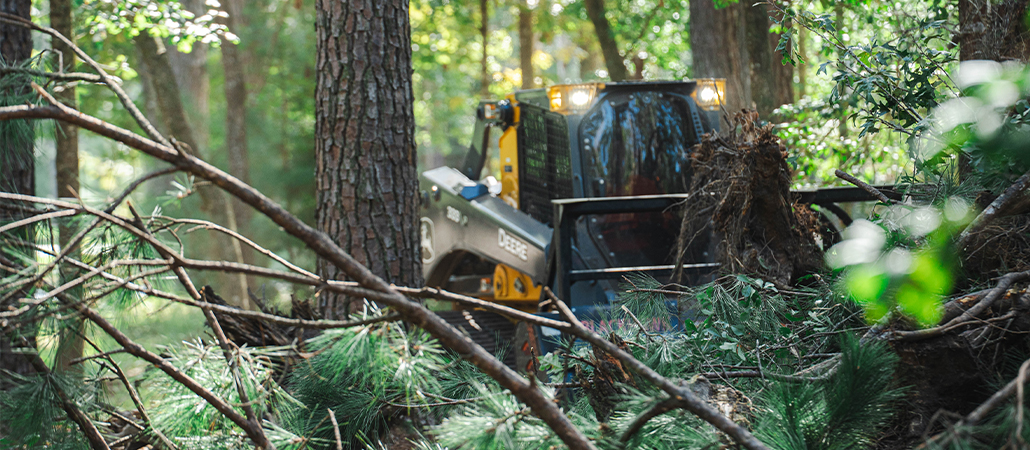
Brush clearing is the removal of dense brush, shrubs, small trees, vines, and unwanted growth from a property. At Green Gorilla Land Management, that work is handled with professional equipment and a selective approach — meaning valuable trees and natural boundaries stay put while the overgrowth comes out.
For a property owner planning a landscape, that produces four things you cannot get any other way:
Visibility. You see the real shape of the lot — high spots, low spots, wet areas, root systems, existing hardwoods, fence lines, and the actual usable footprint.
Accurate scope. Landscape designers, hardscape crews, and irrigation installers can walk the site and quote visible conditions. Estimates based only on a roadside view of an overgrown lot are less reliable.
Access. Equipment, materials, and crews need a way in. Cleared access paths make every phase after this one faster and cheaper.
A clean slate for planting. Removing competing brush and invasive species gives new plantings light, water, and soil that isn’t already being fought over.
Why the Lowcountry Makes This Step Non-Negotiable
Charleston’s climate does not give land a break. Long growing seasons, heat, humidity, and heavy rain mean vegetation comes back hard and fast. A lot that looked manageable two summers ago can be genuinely impassable now.
Invasive plants and thick vine growth can climb and stress the trees you were planning to build the landscape around. Clearing unwanted growth early helps protect the assets you want to keep while making the rest of the site visible.
Wet ground is the other Lowcountry factor. Heavy rain and soft soil affect what equipment can safely work a site and when. Handling clearing as its own scheduled step, rather than squeezing it in between other trades, gives the work the timing and conditions it needs.
What Brush Clearing Is Not
This is where projects most often go sideways, so it is worth being blunt.
Brush clearing is not grading. Removing vegetation exposes the existing contours; it does not reshape them. If your property needs slope correction, drainage work, or soil moved before installation, that is separate work handled by the appropriate contractor.
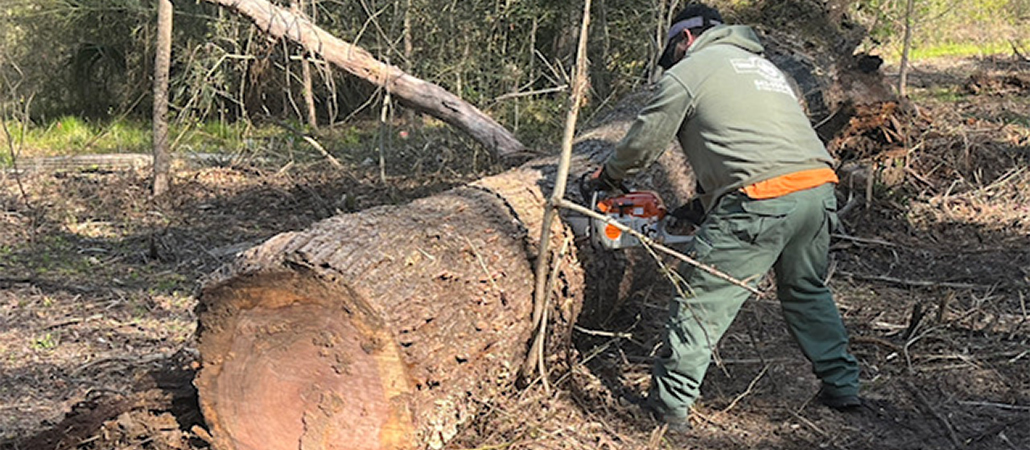
Brush clearing is not full tree removal. Brush clearing covers dense brush, shrubs, vines, and small trees. Large or hazardous trees are a different conversation and should be scoped separately during the site walk.
Brush clearing is not landscape installation. No beds, plants, sod, irrigation, or hardscape come with it. Clearing prepares the canvas. Someone else paints it.
Brush clearing is not a one-time fix on its own. In this climate, cleared ground wants to grow back. Ongoing vegetation management or scheduled maintenance protects the investment you just made.
Being clear about those boundaries up front is how you avoid the “I thought that was included” conversation halfway through a project.
How the Sequence Should Run
Property owners get better results — and better pricing — when the work happens in a sensible order.
- Walk the property and define the goal. A lawn, a pasture, a building site, a garden, and a trail system all call for different clearing decisions. Selective clearing depends on knowing what you are keeping.
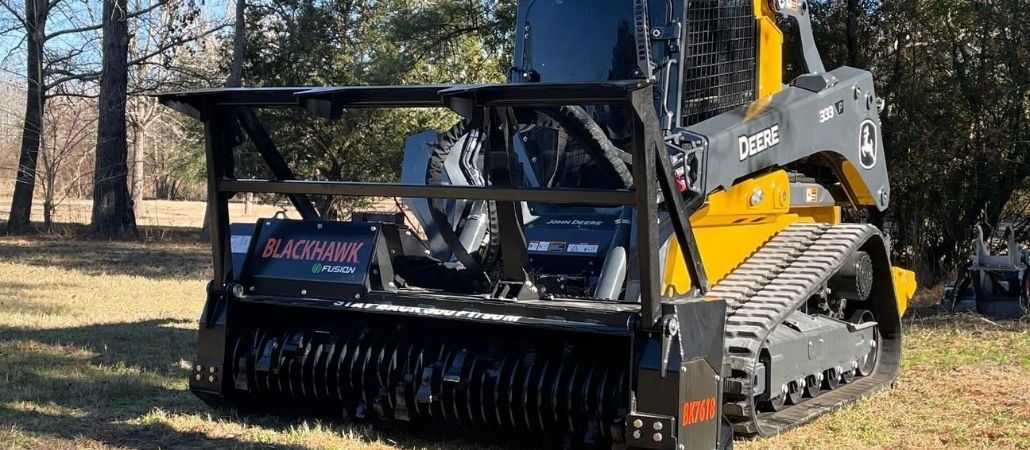
- Clear the brush and overgrowth. This is where the site becomes visible and workable. Depending on density and terrain, forestry mulching may be the right method, since it processes vegetation into mulch on-site rather than generating debris piles that need hauling.
- Reassess the site with real information. Once the ground is exposed, you can see drainage patterns, soil conditions, and which trees are healthy. This is the point to finalize a landscape plan.
- Handle grading, drainage, and any remaining tree work. Scoped separately, by the right contractors, with the site fully visible.
- Install the landscape. Beds, plantings, irrigation, hardscape — all placed on a site you actually understand.
- Maintain it. Large-scale mowing or bush hogging on the outlying acreage keeps overgrowth from creeping back into the finished areas.
Skipping straight from step one to step five is how people end up paying twice.
What to Expect from the Clearing Visit
A straight estimate starts with a site walk. Density of growth, acreage, terrain, ground conditions, and access all affect how the job is approached and how long it takes. Any company that quotes an overgrown Lowcountry property without seeing it is guessing.
Before work begins, you should know exactly what is coming out, what is staying, what the ground should look like when the crew leaves, and what is not included. Green Gorilla Land Management is a licensed and insured, veteran-owned business working across Greater Charleston and coastal South Carolina.
A clear scope conversation is how the property owner and clearing crew align before work begins.
Frequently Asked Questions
Usually, yes. Even moderate underbrush hides grade changes, stumps, debris, and root systems. Clearing first means your landscape plan and your quotes reflect actual site conditions.
No. Clearing removes vegetation and exposes the existing ground. Grading, drainage correction, and soil work are separate services handled by the appropriate contractor.
Brush clearing addresses dense brush, shrubs, vines, and small trees. Larger trees are scoped separately — discuss them during the site walk so the plan and the estimate account for them.
That depends on the site, the method used, and what still needs to happen — grading, drainage, or tree work. On many properties the ground is workable right away; on others, ground conditions and remaining scope drive the timing.
In the Lowcountry, growth returns. How quickly depends on species, season, and how the site is maintained. Ongoing vegetation management, mowing, or bush hogging is what keeps a cleared property clear.
Start With a Clear Site
If you’re planning a landscape on an overgrown Charleston-area property, clearing is the step that makes every decision after it cheaper and more accurate. You cannot design what you cannot see.
Contact Green Gorilla Land Management for a free estimate. We’ll walk the property, tell you what comes out and what stays, and give you a clear scope before the work starts.