“What does land clearing cost?” is usually the first question a property owner asks, and it’s also the hardest one to answer with a single number.
From overgrown residential properties to wooded commercial lots, land clearing service pricing depends on a handful of specific factors, which is why two five-acre lots can end up with very different quotes.
In this guide, the team at Green Gorilla Land Management breaks down what actually drives the cost of land clearing in South Carolina, so you know what to expect and what to ask about before getting a quote.
Acreage and Scope
The size of the area being cleared is the most obvious factor, but it’s not just total acres — it’s how much of that acreage actually needs work. A wooded five-acre lot that needs to be fully cleared for construction is a different job than five acres that just needs the underbrush knocked back.
Be specific about what “clearing” means for your project before comparing quotes.
Vegetation Density and Type
Clearing light brush and small saplings takes far less time and equipment than clearing mature pine stands, dense underbrush, or land with invasive vegetation that’s been left unchecked for years.
A property that hasn’t been touched in a decade will typically cost more to clear than one that’s been maintained regularly.
Terrain and Accessibility
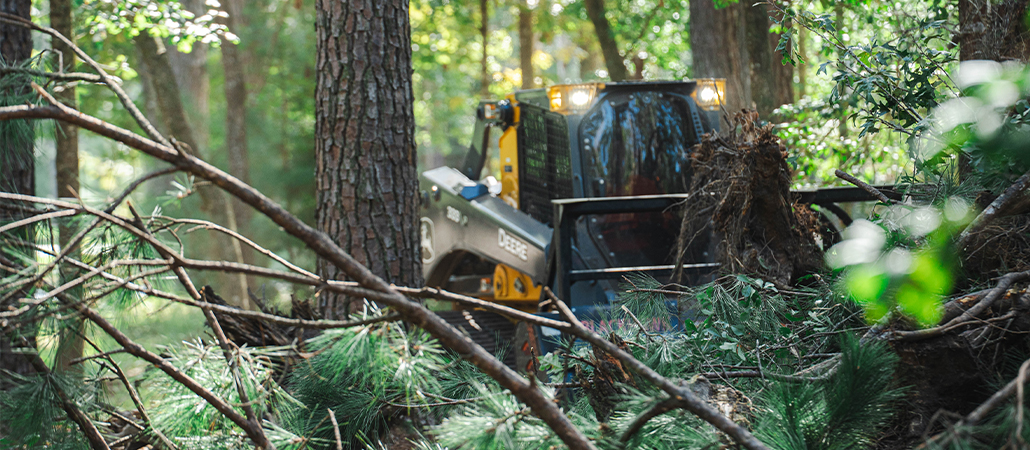
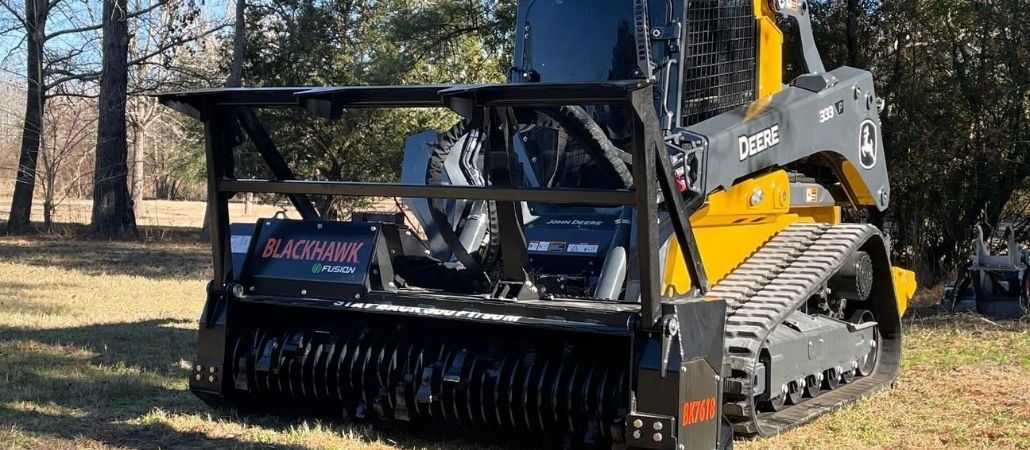
Flat, dry, easily accessible land clears faster than a property with wet ground, uneven terrain, ditches, or limited equipment access. Much of coastal South Carolina includes low-lying and marshy terrain, which is part of why land management crews here run tracked equipment instead of standard wheeled machines — it can reach areas a truck-mounted or towed unit can’t.
How Debris Is Handled
This is one of the biggest cost variables and often the most overlooked. Some areas allow for safe burning of materials, other areas are required to haul debris off site whereas forestry mulching grinds trees and brush into mulch on-site, which is usually more efficient than clearing land and hauling every load of debris off the property. However, heavy land clearing and site prep requires a different approach, and materials are either burned on site safely or removed off site as applicable.
Whether mulching in place makes sense depends on what you’re planning to do with the land — a homesite prep job and a piece of land being left as-is call for different approaches.
Permitting and Environmental Considerations
Depending on the county, the size of the clearing job, and proximity to wetlands or protected areas, land clearing work can require permits or environmental review before it starts.
This doesn’t always add significant cost, but it can affect the timeline, and it’s worth asking about early rather than after equipment is already scheduled.
Planned Clearing vs. Storm or Emergency Cleanup
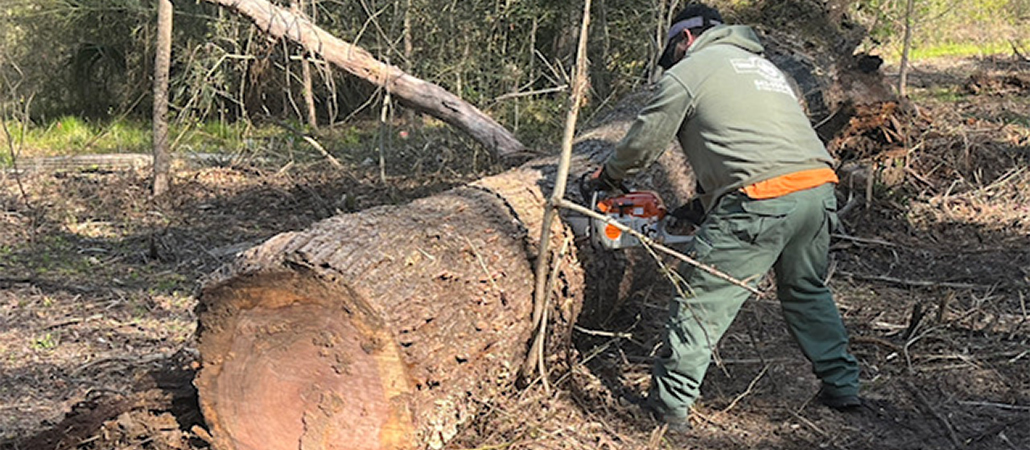
Planned full or selective clearing for development, agriculture, or property maintenance is priced differently than emergency storm cleanup, which often involves urgent debris removal, downed trees near structures, and less flexibility on timing.
If your project is storm-related, ask specifically about storm cleanup rather than traditional clearing.
How to Get an Accurate Quote
Because pricing depends so heavily on the property specifics, the most reliable way to get a real number is a site walk-through. A professional clearing crew that walks the land with you can account for acreage, vegetation, terrain, and debris handling all at once, flagging anything that could affect cost before work begins.
Ready to find out what professional land clearing looks like for your property? Contact Green Gorilla Land Management for a free estimate.
Frequently Asked Questions
There isn’t one reliable average for land clearing prices in Charleston. Costs can range significantly depending on the acreage, vegetation density, terrain, equipment access, and whether debris is mulched on-site or hauled away. A site visit is the best way to get an accurate price for your specific property.
It depends on the project. Mulching often saves on hauling costs since debris is processed on-site, but whether it’s the right approach depends on what the land is being used for afterward.
Smaller jobs can sometimes carry a higher effective cost per acre because mobilization and setup are spread across less area, but density and terrain still matter more than size alone.
A general sense, maybe — but an accurate quote requires seeing the property, since vegetation density, terrain, and access vary so much from lot to lot.
It depends on your county, the project size, and whether wetlands or protected areas are involved. Ask your land management company to flag any permitting needs during the site walk-through.
Make sure each quote covers the same scope — the same acreage, the same debris handling approach (mulched vs. hauled), and the same timeline — so you’re comparing like for like.