Late fall through early spring is often a strong window for brush clearing in Charleston, SC. Vegetation is less active, vines and undergrowth have thinned out, sight lines are more open, and cooler conditions can make site work easier. That said, overgrown land can be cleared year-round in the Lowcountry.
The right timing depends less on the calendar than on your property, access, recent weather, and what you plan to do with the land once it is cleared. Continue below to learn more from the team at Green Gorilla Land Management.
Why Timing Matters More Here Than in Other Parts of the Country
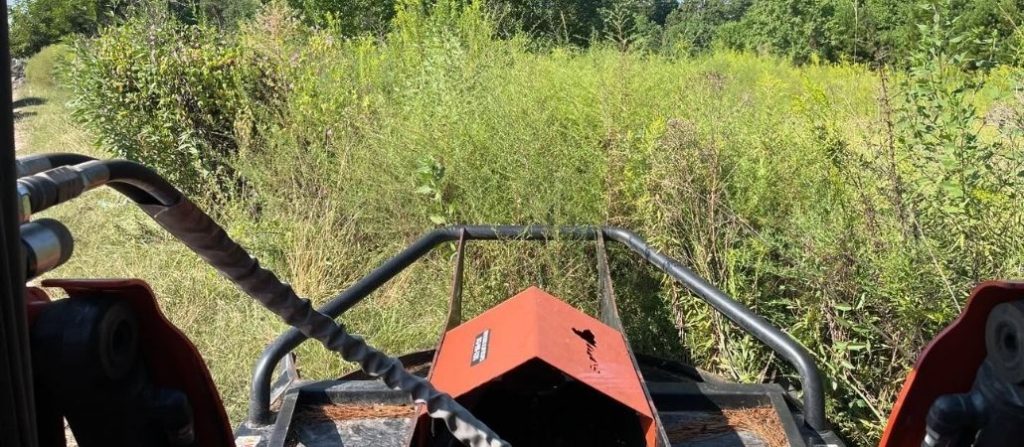
Lowcountry land does not behave like dry, open acreage elsewhere. Around Charleston, property owners often deal with soft ground, heavy seasonal rain, thick mixed vegetation, and a long growing season. Invasive vines, shrubs, and hardwood saplings can reclaim a cleared fence line faster than many landowners expect.
That means two things. First, waiting rarely makes a job easier — an overgrown lot in June is a bigger job in September. Second, the season you choose changes how the work gets done, how much you can see while it’s happening, and how the site holds up afterward.
Green Gorilla Land Management has been working this ground since 2019, handling land management and overgrowth clearing for residential, commercial, real estate, and municipal property owners across the greater Charleston area. The seasonal patterns below come from that work.
Winter: The Strongest Overall Window
If you can plan ahead, winter is hard to beat.
Dormant vegetation. Leaves are down, vines are brittle, and undergrowth is at its thinnest. Equipment moves through the same acreage with less resistance, and the crew can actually see what’s on the property.
Better visibility of hazards and boundaries. Old fencing, dumped debris, stumps, ditches, drainage features, and property corners are far easier to identify when the brush isn’t fully leafed out. That reduces the risk of surprise damage and helps keep the scope honest.
Less active vegetation. Dormant or slower-growing vegetation can make boundaries, hazards, and the plants you want to preserve easier to distinguish.
Cleaner results going into spring. Clearing in winter means the property is open before the growing season starts, so you get the full benefit of the work rather than watching it partially disappear under new growth.
Firmer ground — sometimes. Winter here is not dry, but it usually lacks the intense summer thunderstorms that saturate a site for weeks. Tracked mulching equipment already handles soft and variable terrain far better than wheeled machines or tractors, which matters year-round on Lowcountry soils.
Spring: Good for Access Projects and Getting Ahead of Growth
Early spring still carries most of winter’s advantages, and it’s a practical time to clear if your goal is usable space for the warm months — a pasture, a food plot, a trail system, or a backyard you actually want to walk into.
The tradeoff is that growth accelerates quickly. Clear too late in the spring and you’re fighting new leaf-out, which makes selective work slower and reduces visibility on the site. If you’re aiming for spring, aim early.
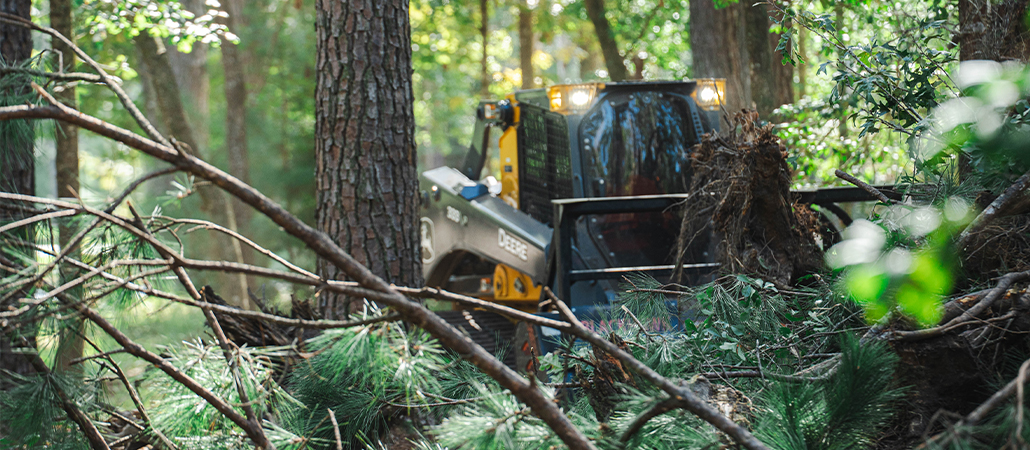
Spring can also be a sensible time for forestry mulching on wooded property, since the material left on the ground helps protect exposed soil as the rainy months build.
Summer: Reactive Work, Growth Control, and Real Constraints
Summer clearing happens constantly around Charleston, usually because it has to. Code letters, property sales, insurance concerns, tenant issues, and fire risk don’t wait for December.
What to expect in summer:
- Peak density. Everything is leafed out. The same lot takes more time.
- Heat and daylight management. Crews and machines both work harder in Lowcountry humidity.
- Wet conditions. Afternoon storms and saturated soils can affect scheduling and access.
- Faster regrowth. Summer-cleared ground will push back sooner, which is why ongoing vegetation management matters more for warm-season projects.
None of that makes summer wrong. If your land needs to be cleared now, it needs to be cleared now. Just plan for a follow-up maintenance pass rather than assuming one visit ends the story.
Storm Season: Plan for It Separately
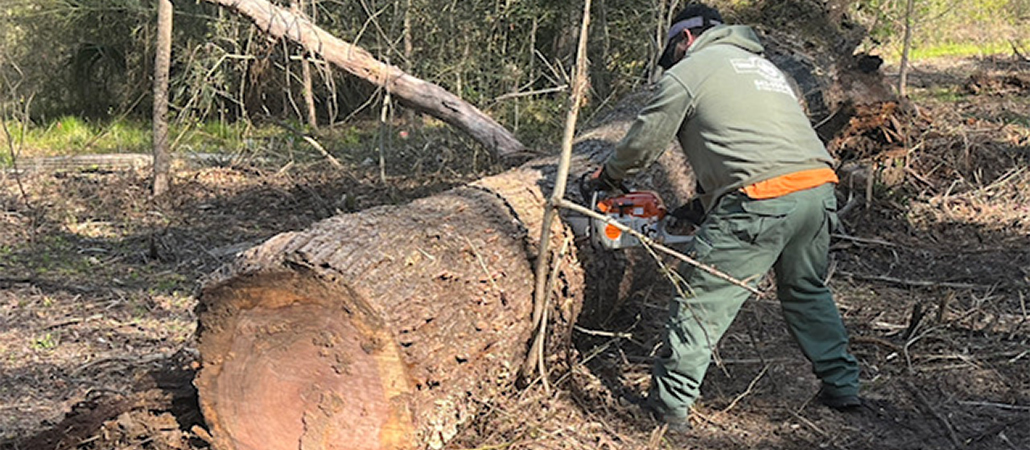
From June through November, coastal South Carolina has its own scheduling reality. Downed trees, snapped limbs, and wind-scattered debris create urgent work that has nothing to do with your original clearing plans.
Two practical takeaways. First, if you’ve been putting off clearing dense growth near structures, driveways, or power access, doing it before storm season reduces the amount of material that can become debris. Second, if a storm has already hit, that’s a different service with different priorities — storm cleanup is about restoring safe access and removing hazards, not reshaping the property.
How to Decide for Your Property
Rather than picking a month, work backward from your goal.
Selling or listing land? Clear when visibility is best — late fall through early spring — so buyers can see acreage, boundaries, and terrain.
Preparing for construction or a future project? Clear early enough that the site has time to settle and be re-evaluated before other trades arrive. Keep in mind that brush clearing opens and reclaims land; it does not by itself deliver finished grading, large tree removal, or landscape installation. Those are separate scopes that should be quoted separately.
Maintaining acreage you already own? Dormant-season clearing plus scheduled seasonal maintenance keeps you ahead of regrowth instead of restarting from scratch every few years.
Dealing with a nuisance notice, overgrown rental, or blocked access? Address the problem now. Waiting for a perfect season matters less than restoring access and control.
The honest answer for most landowners is that the best time is the season before the problem gets worse. A property walk gives you a far better answer than a calendar does.
Frequently Asked Questions
Dormant vegetation genuinely changes the work. Thinner undergrowth, better visibility, and lower pest activity make winter clearing more efficient and more precise on most Lowcountry properties.
Yes. Summer clearing is common and often necessary. Expect denser vegetation, more weather-related scheduling, and faster regrowth afterward.
It can. Tracked forestry mulching equipment with an industrial brush-cutting attachment can reach terrain that wheeled machines and tractors cannot, including muddy or rutted areas. Extremely saturated conditions can still delay a job, which is why access and soil conditions should be evaluated on-site.
It depends on the vegetation, the season it was cleared, and how the land is used. Lowcountry growth is aggressive, so most properties benefit from a planned maintenance schedule rather than a one-time clearing.
Earlier is better, especially for larger acreage or a project tied to a sale, construction plan, or spring use. Planning ahead gives the property owner and contractor time to define access, scope, and timing.
Ready to Pick the Right Window for Your Land?
Every property has its own answer. Terrain, density, access, wetlands proximity, and what you want the land to become all change the recommendation.
Green Gorilla Land Management is a licensed and insured, veteran-owned local business. If you’re considering brush clearing in Charleston, SC, this season or planning for the next one, contact us for a free estimate to discuss the property, the goal, and the right time to move.