What to Do After Storm Damage in the Lowcountry
Severe weather rolls through, and by morning your yard looks like a different property — downed limbs, a leaning tree, debris scattered across the lawn. Before you touch it, walk through this checklist. It covers what to check first, what to leave alone, and when to call in a storm cleanup crew instead of handling it yourself.
In short: After a storm passes, check for immediate hazards like downed power lines and unstable trees, photograph the visible damage before moving anything, clear what’s safe to handle yourself, and bring in a professional storm cleanup crew for large trees, blocked access, or anything near power lines or structures.
1. Check for Immediate Hazards First
Before you assess anything else, look for downed power lines, gas smells, or structural damage to your home. Stay away from any tree or limb that’s touching a power line, and treat every downed line as live until the utility company confirms otherwise.
If a tree is leaning against your house or another structure, keep everyone clear until it’s been assessed — a “stable-looking” leaner can shift without warning.
2. Document the Damage Before You Clean Anything Up
Walk the property and take photos and video of every affected area — downed trees, damaged fencing, debris fields, and anything touching your roof or siding — before you move a single limb.
Insurance claim adjusters rely on this documentation, and it’s much harder to reconstruct after the yard has already been cleared.
3. Clear What’s Safe, Leave the Rest
Small limbs, loose branches, and scattered yard debris are generally safe to clear yourself if you have the right tools and clear access. Leave the following to a professional storm cleanup crew:
Any tree still standing but visibly damaged, cracked, or leaning
Trees or limbs tangled in or resting on power lines
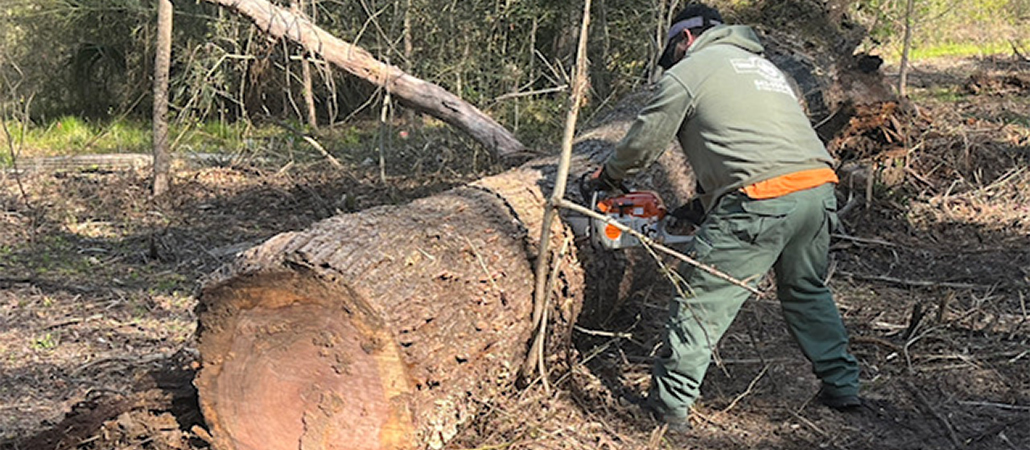
Large trees down across a driveway, roof, or structure
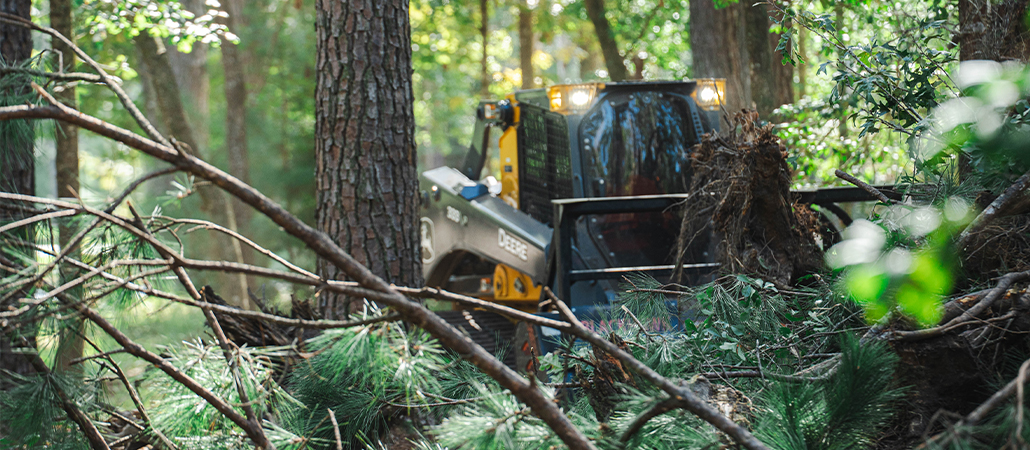
Root balls that have partially pulled from the ground — these can shift or fall further
4. Watch for Standing Water and Erosion
Heavy rain that comes with Lowcountry storms often leaves standing water in low-lying yards and driveways for days afterward.
Note any areas holding water or showing signs of erosion around your property — these can affect how debris is cleared and may need to be addressed separately from tree and limb removal.
5. Know When to Call a Professional Storm Cleanup Crew
If your property has large downed trees, blocked access, debris tangled near power lines, or more damage than a weekend of yard work can handle, it’s time to call in a crew with the right equipment.
Professional storm cleanup in Charleston can safely remove large trees and debris, haul it away or process it on-site, and get your property back to normal faster and more safely than doing it in pieces.
When Charleston Storm Cleanup Requires a Professional
A typical summer storm may leave you with a few branches to pick up. Hurricane season and tropical storms are another matter. High winds, saturated soil, and heavy rainfall can bring down mature trees, scatter debris across larger properties, and block driveways or other access points throughout the Charleston area.
Professional storm cleanup can make sense when:
A hurricane or tropical storm brings down multiple trees or large limbs
Fallen trees block your driveway or other access to the property
Trees have landed on fences, sheds, homes, or other structures
Debris is spread across a large residential or rural property
Saturated ground has left trees unstable or partially uprooted
You need the property cleared so repairs or other work can begin
For larger storm damage, the right equipment can make cleanup considerably more manageable. A professional crew can remove downed trees and heavy debris, process suitable material on-site, and clear access so you can begin getting the property back in order.
Frequently Asked Questions
As soon as it’s safe to assess the damage. For hazards like leaning trees or debris near power lines, don’t wait — call a professional right away rather than attempting it yourself.
Photograph and document everything first. Once the damage is documented, you can begin safe cleanup while waiting on your adjuster, but keep records of what was removed.
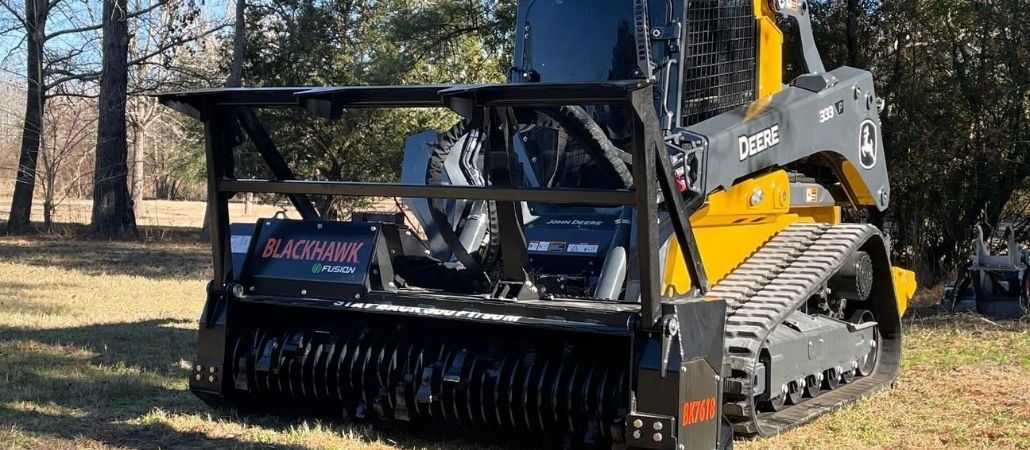
In many cases, yes. Forestry mulching equipment can process downed trees and brush on-site, which is often faster than hauling debris off the property.
Leave it in place until it’s safe to assess. A professional crew can determine the safest way to remove the tree without causing further damage to the structure underneath.
Yes. Storm cleanup crews should be equipped to handle anything from a single downed tree in a residential yard to widespread debris across acreage.
Dealing with storm damage on your property? Contact Green Gorilla Land Management to request a free storm cleanup estimate.