Hidden Costs, Risks, and When to Bring in Heavy Equipment
Every Lowcountry property owner eventually asks the same question standing at the edge of an overgrown lot: can I just do this myself? It’s a fair question, and the honest answer is that sometimes you can.
The problem is that most people compare the wrong numbers. They compare a machine rental against a contractor’s quote and stop there — when the real comparison includes disposal, fuel, injuries, regrowth, and the time you don’t get back.
Here’s a straight look at both sides.
What DIY Brush Clearing Actually Costs
The sticker price of a weekend rental is the smallest line item on the list. The costs that catch people off guard are the ones nobody quotes:
Equipment rental beyond the first day. Almost nobody finishes an overgrown lot in one rental period. Brush cutters, chippers, and skid steers get returned late or re-rented, and the second and third weekends cost the same as the first.
Hauling and disposal. This is the big one. A chainsaw turns standing brush into piles of debris — and those piles still have to go somewhere. Truck rental, a trailer, disposal fees, and multiple trips add up fast. Forestry mulching processes suitable vegetation into material that stays on-site, reducing the hauling and disposal steps associated with cut-and-remove methods.
Fuel, blades, and consumables. Dense Lowcountry brush is hard on equipment. Woody growth, fibrous plants, and vines dull chains, wear down cutting heads, and increase fuel use.
Your time. Hand cutting, piling, loading, and hauling are separate stages. If the work stretches across multiple weekends, your time belongs in the comparison along with the rental bill.
Regrowth. Surface cutting alone does not prevent every species from returning. The method, season, vegetation, and follow-up maintenance all affect regrowth, so the initial clearing plan should include what happens afterward.
The Risks Nobody Puts in the Budget
Cost is one thing. Getting hurt is another. Brush clearing in coastal South Carolina carries real hazards that are easy to underestimate from the driveway:
- Hidden obstacles. Overgrowth conceals old fence posts, stumps, wells, septic lids, concrete, and debris. Hitting one with a rental machine at speed is how people get injured and how deposits disappear.
- Wildlife. Dense Lowcountry undergrowth is prime habitat for snakes, wasps, and fire ants. Professionals work with protective gear and from inside a cab.
- Terrain and moisture. Wet, rutted, low-lying ground is normal here. Wheeled machines and tractors bog down where tracked equipment keeps moving. Getting a rented machine stuck in a soft spot is an expensive afternoon.
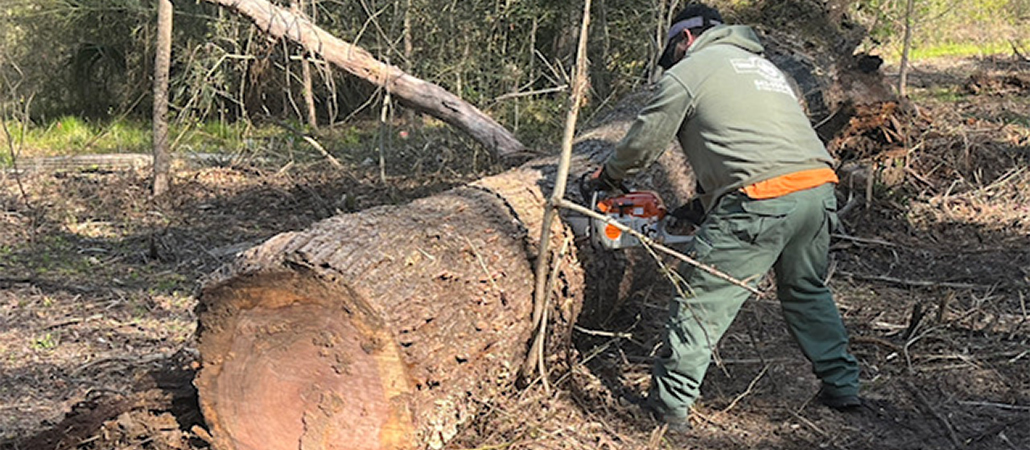
- Chainsaw and drop hazards. Saplings and leaning growth do not always fall where you expect. Kickback, unstable footing, and unpredictable falls can turn a clearing job into an emergency.
- Invasive species spread. Cutting invasives without a plan can scatter seed and spread the problem across your property instead of removing it.
Licensing and insurance do not eliminate risk, but they help protect both the contractor and the property owner when work involves heavy equipment and changing site conditions.
When to Bring in Heavy Equipment
The tipping point isn’t a mystery. Bring in a pro when you hit any of these:
The area is too large to finish and maintain by hand. Hand tools may suit a small patch. Once the work involves broad acreage or repeated hauling, machine-based clearing deserves a serious comparison.
The growth exceeds your tools and experience. Woody stems, dense vines, hidden debris, and layered undergrowth call for equipment that can process the material without forcing a homeowner tool past its limits.
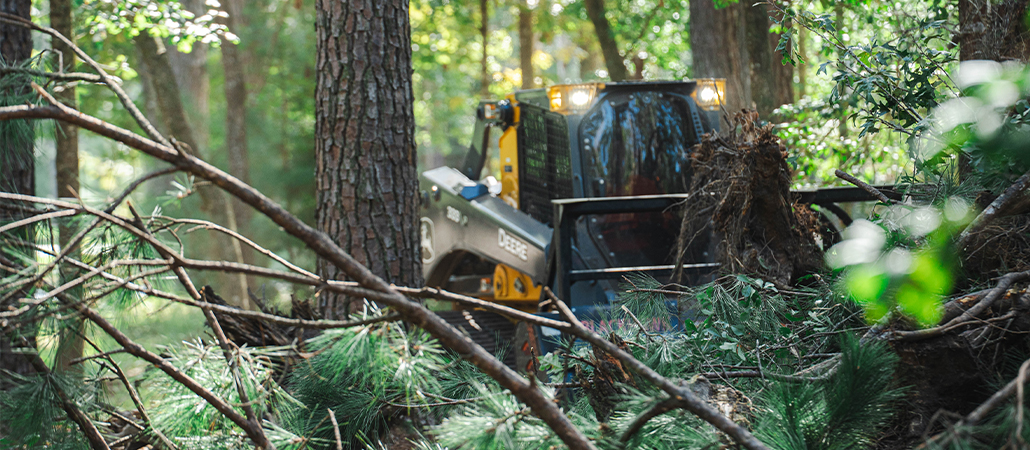
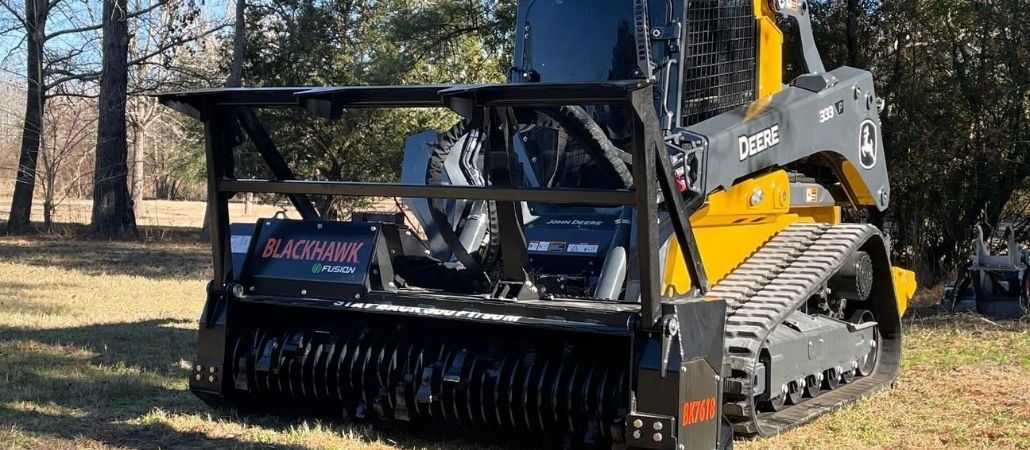
Terrain a truck can’t reach. Green Gorilla Land Management runs a powerful tracked machine with a Fecon forestry mulching head plus an industrial brush-cutting attachment, which means access to areas wheeled machines and tractors can’t reach because of terrain, mud, or ruts. That access is the whole ballgame on Lowcountry lots.
You’re prepping for something. If the cleared land is headed toward construction, a sale, or a landscape project, the quality of the clearing matters. Brush clearing removes vegetation and reclaims usable ground — it’s the first step, not the last one. Grading, tree removal, and landscape installation are separate scopes of work. Ask any contractor exactly where their scope ends before you sign.
Storm damage is involved. Downed limbs and wind-thrown trees are a different job with different hazards. That’s storm cleanup territory, and it’s not a DIY weekend.
You need a controlled result. Selective clearing, vegetation management, and fire break creation all take judgment about what stays and what goes. The initial work still needs follow-up, but a clear scope gives that maintenance plan a much better starting point.
The Honest Case for DIY
Not every job needs a machine. Keep it in-house when:
- The area is small, and you can see the ground through the growth.
- Stems are thin enough for a string trimmer or hand tools.
- There’s easy access and somewhere legal to put the debris.
- You already own the tools and have used them before.
- Nothing on the property depends on the work being finished by a specific date.
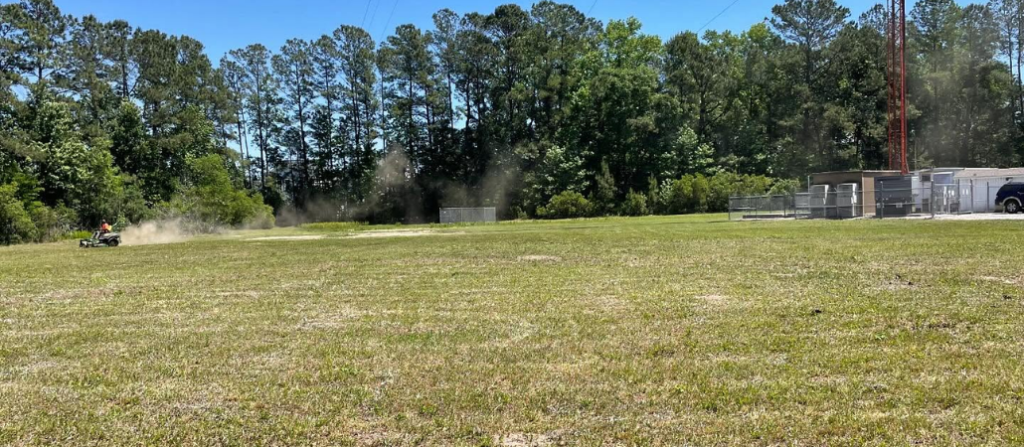
Routine maintenance of already-cleared ground is a reasonable DIY habit too. The heavy initial clearing is where professional equipment earns its keep — after that, keeping it maintained is a much smaller lift.
Frequently Asked Questions
On a small, accessible patch, it can be. For dense growth, difficult access, or a larger area, compare the full cost: rental extensions, hauling and disposal, fuel, blades, protective equipment, and follow-up maintenance. A free estimate gives you a real number to compare against the DIY plan.
It depends on acreage, density, and access, so no honest contractor gives you a number without seeing the property. What’s consistent is the ratio: a tracked machine with a mulching head covers ground dramatically faster than hand tools, and it processes debris as it goes instead of leaving you piles to deal with afterward.
Not with forestry mulching. The vegetation is ground into mulch that stays on site, controls erosion, and returns nutrients to the soil. That eliminates the hauling and disposal costs that make DIY clearing expensive.
Some regrowth is normal in the Lowcountry — the growing season is long, and the soil is generous. Vegetation management and follow-up maintenance keep cleared areas from reverting. Surface-cutting alone, without a maintenance plan, is what leads to thicker regrowth the following year.
It gets you a long way there by making the land visible, accessible, and presentable — which is exactly what realtors and buyers need. Full site preparation may also involve land clearing, stump grinding, or grading depending on your plans. Discuss the end goal up front so the scope matches what you actually need.
Get a Straight Answer on Your Property
You don’t have to guess where your lot falls on the DIY line. Green Gorilla Land Management is a licensed and insured, veteran-owned local business serving Greater Charleston, SC, and the surrounding Lowcountry with professional-grade equipment built for this terrain.
Walk the property with us, tell us what you want the land to do, and get a free estimate — then compare it against what a DIY weekend would really cost you.
Contact us or call (843) 996-0381 to schedule your free estimate.